Google reportedly designing Frozen v2 chip with Gemini baked into silicon
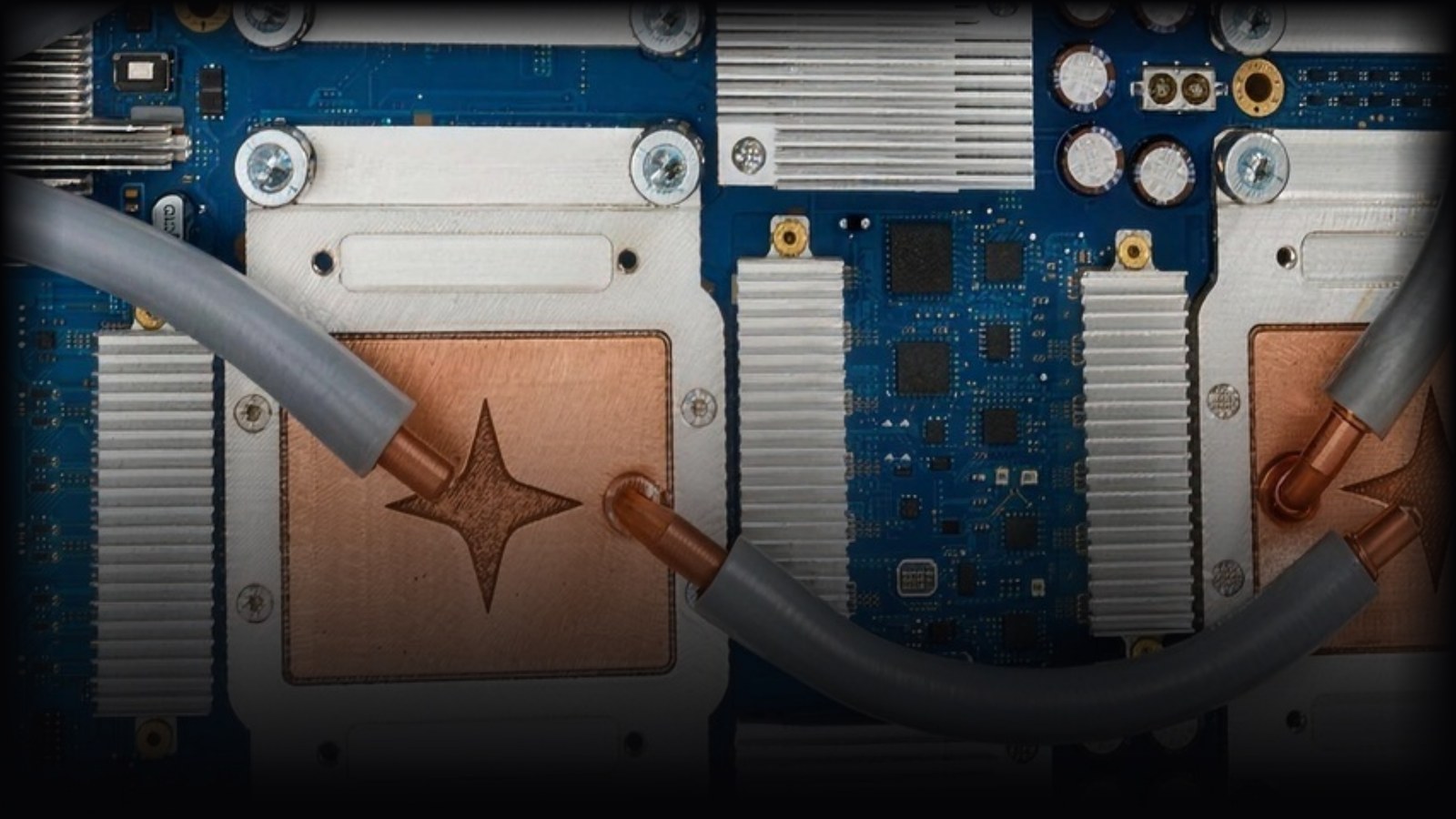
AI chips may be about to change shape. The Information reported on July 20, 2026, that Google is developing “Frozen v2”, an inference processor with Gemini baked directly into the silicon.
What hardwiring a model means
According to the report, Frozen v2 hardwires parts of Gemini’s architecture into the circuitry itself. Engineers on the project estimate 6 to 10 times more token output per watt than Google’s latest TPUs. If that holds, it would be one of the largest single-generation efficiency jumps in AI hardware history.
The clever part is what gets frozen and what does not. The chip embeds the model’s architecture, not its weights. New Gemini versions can still be loaded, as long as Google keeps the same underlying blueprint. The tradeoff is equally real: change the architecture, and the chip is obsolete.
Born from a compute crunch
Context makes the project spicier. Google reportedly started it to relieve an internal compute shortage so severe that Google Cloud has been declining external customers. When a hyperscaler is turning away paying cloud business for lack of capacity, a 6 to 10x efficiency jump is not a research curiosity, it is an escape hatch.
Deployment is targeted for 2028, and Alphabet stock popped on the report. One caveat belongs in bold: Google has not officially confirmed the project.
The bet under the bet
Specialized silicon for one model family is a fascinating wager. It assumes Gemini’s core architecture is stable enough to be worth casting in hardware, in an industry where architectures have historically shifted every few years. If Google is right, it gets an efficiency moat no general-purpose chip can match. If the architecture moves on, Frozen v2 becomes a very expensive monument to a blueprint that did not last.
Genius efficiency play or costly bet on architectural stability? The receipts arrive in 2028.
Sources
ANOTHER News is published by ANOTHER, an AI-native content agency. Daily coverage also runs on Instagram.
Related
A frontier-class DeepSeek model now runs on a home gaming PC, slowly
A post on r/LocalLLaMA from August 3, 2026 documents DeepSeek-V4-Flash-0731 running locally at Q3 quantization on an Intel Windows machine with 24GB of VRAM. Another user ran the full 284B mixture-of-experts checkpoint at 33 tokens per second on two used RTX 3090s plus a secondhand quad-Xeon server. Caveats: a Q3 quant is compressed and degrades knowledge unevenly, and the speeds are low.
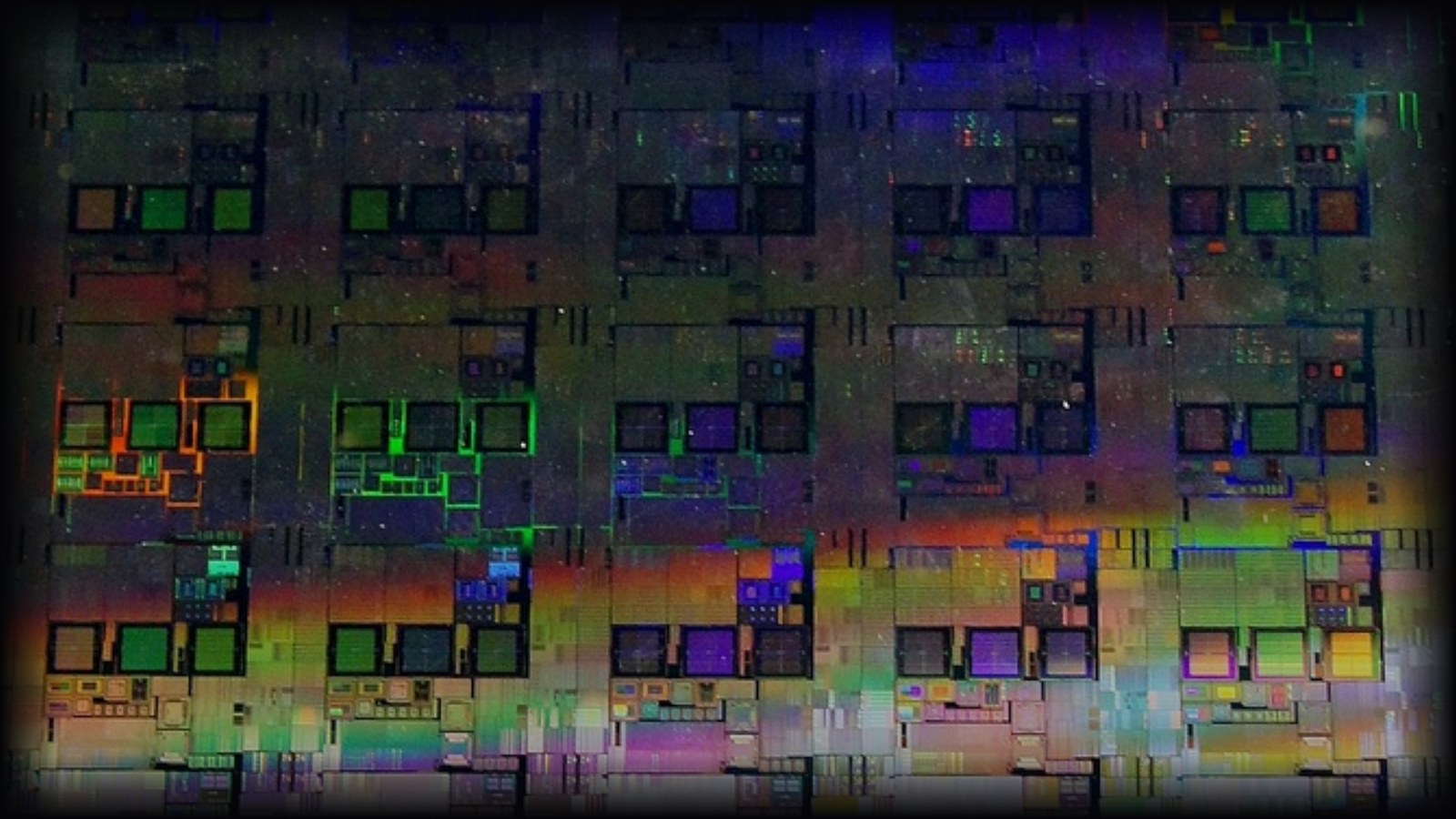
DFSX claims an HBM-free AI chip with double NVIDIA's system bandwidth on 14nm
Dongfang Suanxin stacks DRAM directly on top of the compute die with 3D hybrid bonding, so its chips need no HBM, the memory hardest for Chinese firms to obtain under export controls. The company claims a TY64 SuperNode built from 14nm DF2000 chips delivers 960 TB/s of memory bandwidth against 576 TB/s for NVIDIA's GB200 NVL72. The numbers are self-reported and unverified.
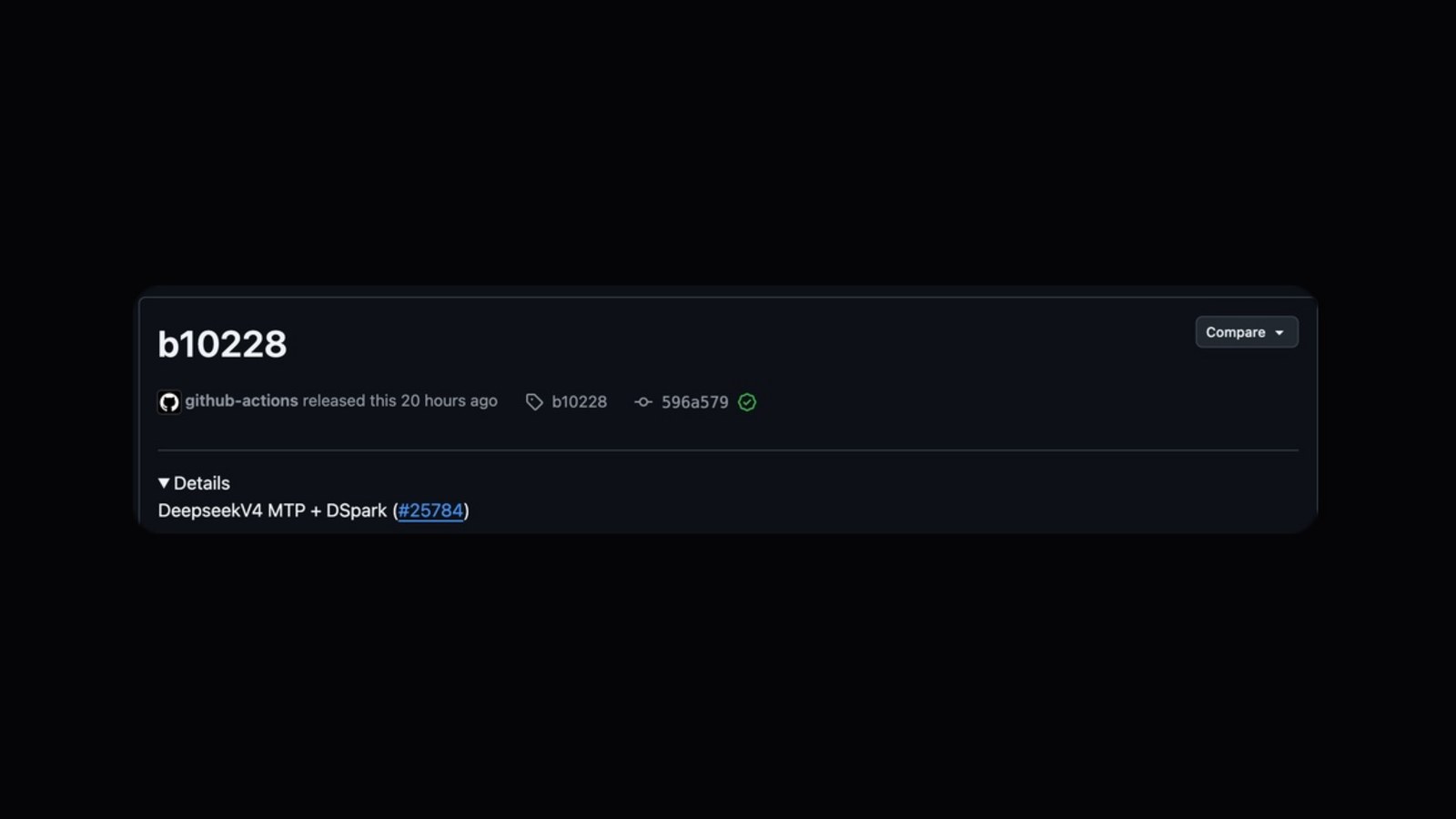
llama.cpp ships multi-token prediction for DeepSeek V4-Flash
llama.cpp release b10228 landed on August 2, 2026 with multi-token prediction for DeepSeek V4-Flash, letting the model draft several tokens per forward pass so local generation speeds up without new hardware. It arrived two days after DeepSeek released V4-Flash-0731, which pushed Terminal Bench 2.1 from 61.8 to 82.7 at unchanged prices.